Storyframe: The 12-Beat Framework Behind GLIDE's Top-Performing Websites

Roger Ebert has a famous quote about empathy. He said, “The purpose of civilization and growth is to be able to reach out and empathize a little bit with other people. And for me, the movies are like a machine that generates empathy.”
A good film makes you feel what the characters feel, need what they need, fear what they fear. Whether a movie succeeds or not is directly tied to the audience’s emotional investment in the experience.
That’s what your website should do too.
So why do we see the opposite? Websites as lists. Lists of services. Lists of features. Lists of credentials. Visitors scan them, feel nothing, and leave. That’s not a writing problem. It’s a shift in philosophy.
Storyframe is how we do it differently.
Storyframe is GLIDE’s proprietary approach to web copywriting: a three-act narrative framework that maps every page and every section of your site to a specific beat in a story, so visitors don’t just read your website. They experience it.
We’ve applied this framework across 850+ projects. When the structure is right and the narrative is tight, the results follow.
Why screenwriting, of all things?
The parallel between film and the web is closer than most people realize.
Both are visual mediums. Both unfold over time, asking an audience to follow a character through uncertainty toward a resolution. In a movie, that character is the protagonist. On your website, that character is your visitor.
Screenwriters have spent a century figuring out how to hold attention, build desire, and move people to an emotional conclusion. That body of knowledge (three-act structure, story beats, genre theory) translates directly to how a website should be built. The problem is that most copywriters have never thought about it that way.
We have.
And once you do, you can’t unsee it.
After working through every book on the subject (from classic screenwriting theory to the save-the-cat school of story structure), one parallel kept surfacing: characters are personas, scenes are pages, and the ending is your conversion goal. The mechanics of a great movie and the mechanics of a great website are, fundamentally, the same thing.
What Storyframe is (and isn’t)
Storyframe is not a template. It’s not a formula you apply and walk away from.
It’s a discipline: a structured way of thinking about your site’s copy before a single word is written. The framework maps your entire website across three acts, with each act corresponding to a phase of the visitor’s journey.
Act One (Beginning): The Homepage.
This is the opening scene. You set the world, introduce your visitor as the hero, name what they’re after, and give them a reason to keep reading. Five story beats live here.
Act Two (Middle): Interior Pages.
The story deepens. You show your solution in action, raise the stakes, address the doubts that are already forming, and build the case. Five more beats.
Act Three (End): Conversion.
The payoff. Not a hard sell, but a natural conclusion. Two final beats. By the time a visitor reaches this point, the case has already been made. The CTA is earned, not forced.
Across those three acts, 12 story beats each carry a specific role. The structure ensures that every page has a job, and that no page is doing the wrong one.
Before we write: three inputs
Every Storyframe project starts the same way. Before we touch the copy, we nail down three things with you.
1. Positioning (old way vs. new way)
Where is your audience coming from, and where are you taking them? Not a list of differentiators. The actual shift: the change in perspective or circumstance your product makes possible. Stories are about change. Your positioning should be too.
2. Personas (primary and secondary)
Who is the hero of this story? What do they want, and what’s standing in their way? Screenwriters build characters before they write dialogue. We do the same. When you know who you’re writing for, you know what the story needs to do.
3. Genre (Action, Drama, Romance, Comedy, or Horror)
This one surprises people. Genre isn’t literal (you’re not making a thriller). It’s emotional temperature: the feeling the experience should evoke from start to finish.
An action-oriented brand should feel urgent, kinetic, forward-moving. A romance-oriented brand should feel warm, intimate, like you’re being understood. A drama-oriented brand earns trust through seriousness and substance. Genre gives us a filter for every creative decision: word choice, pacing, the tone of every headline.
Not sure which fits? Picture your primary persona and ask: what kind of movie would they actually sit down and watch?
The 12 beats: what they are and why each one matters
The 12 beats aren’t arbitrary. Each one maps to a specific psychological moment in the visitor’s journey, something they need to feel or understand before they can move forward. Think of them as a sequence of emotional doors, each one opening the next.
Beat 1: Strong Open
Set the theme. State what’s about to change.
This is your above-the-fold moment. Don’t describe what you do. Announce what’s different. Something is about to change for the visitor, so name it immediately. Visitors decide whether to keep reading within seconds. This beat wins or loses that decision.
Beat 2: The Setup
Introduce the visitor as the hero. Name what they want.
Not what you offer, but what they’re after. When people feel understood, they lean in. This beat creates that feeling.
Beat 3: Catalyst
What’s urgent right now? Why today?
Great copy doesn’t just describe a problem, it creates a reason to act. This beat answers the implicit question every visitor is asking: why should I do anything about this now?
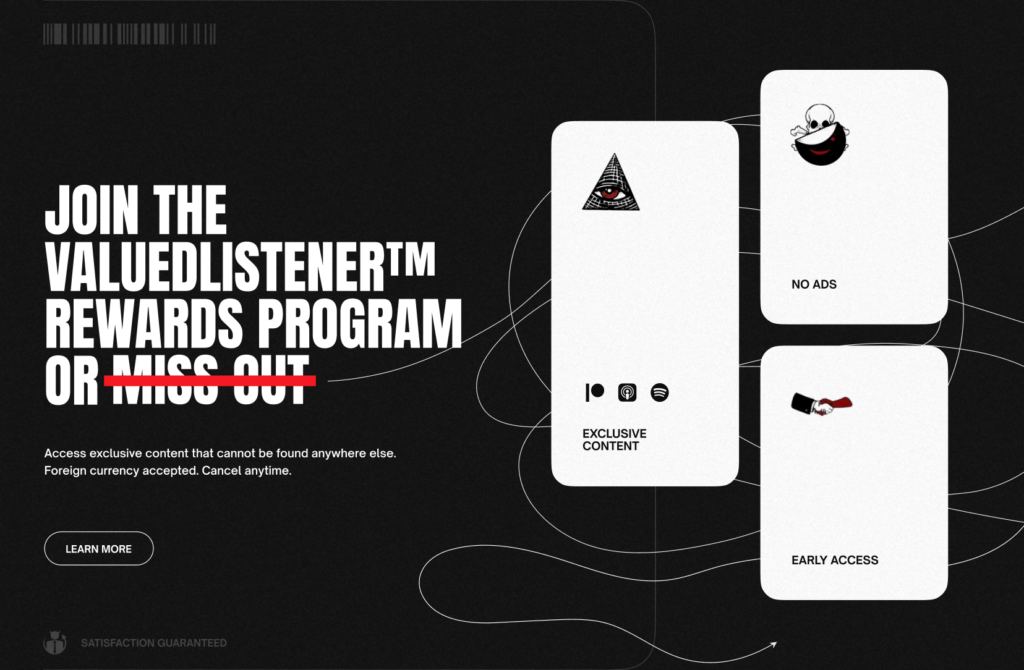
Beat 4: Debris
Acknowledge the objections before they surface.
Every visitor arrives with skepticism. They’ve been burned before. Surface those doubts yourself, before they become a reason to leave. (In screenwriting, “debris” is what the hero has to clear before they can act. For your visitor, it’s the mental clutter standing between them and a yes.)
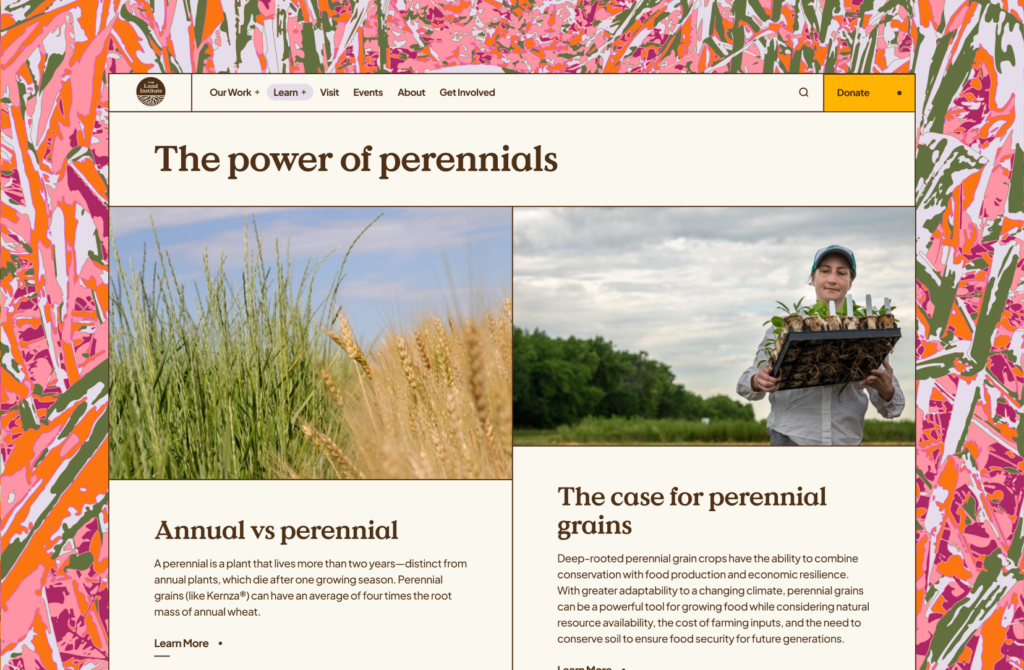
Beat 5: Challenge
First CTA. The invitation to step forward.
This isn’t the close. It’s the first door you open. The visitor doesn’t have to commit yet; they just need to see there’s a next step available. Less about conversion at this point, more about orientation.
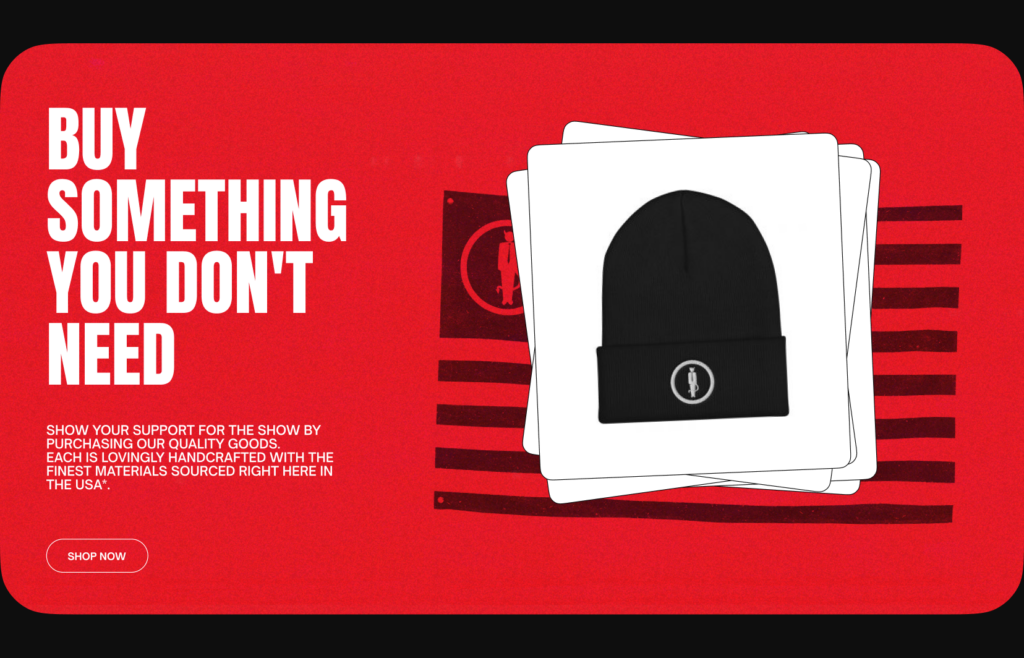
Beat 6: Fun & Games
Show the solution in action. Build desire.
This is your montage. The proof. The case studies, the before-and-afters, the “look what this actually does” section. This beat converts interest into desire by making the outcome feel real and achievable.
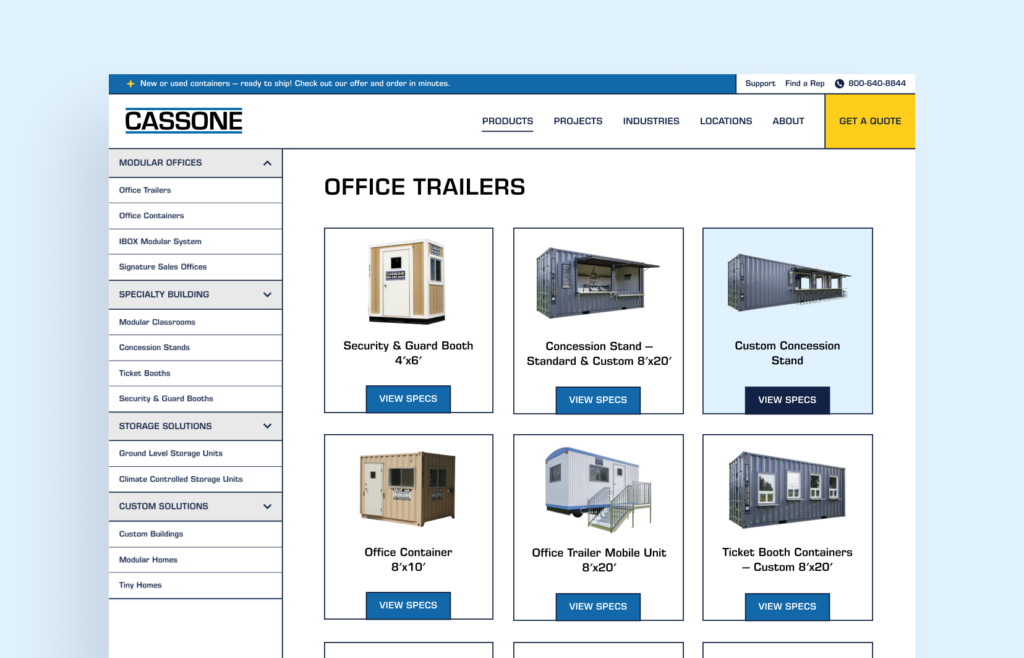
Beat 7: Midpoint
The high-water mark. They can almost see it.
Something shifts here. The visitor has gone from curious to nearly convinced. Confidence is crystallizing. Design this beat intentionally or you’ll cruise past the most important moment on the page.
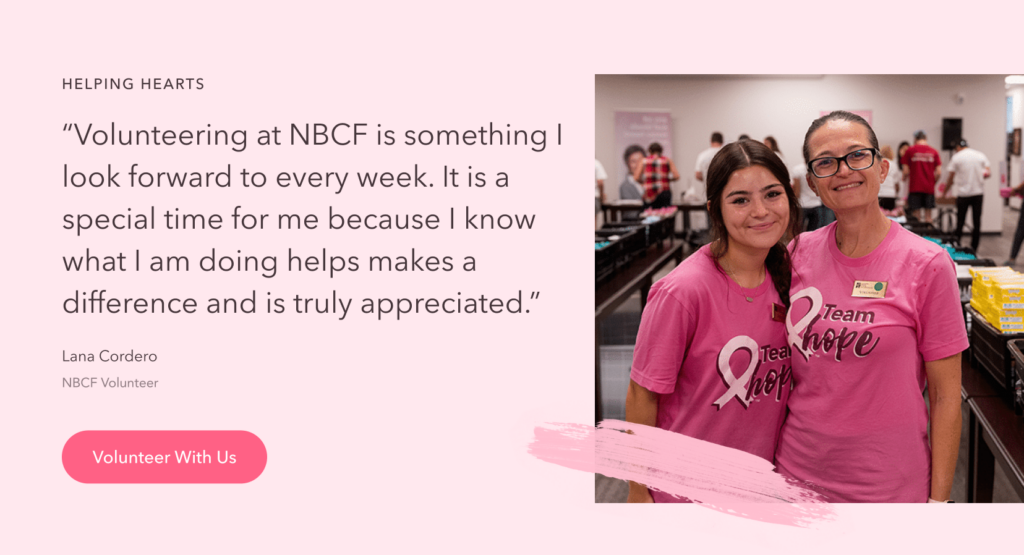
Beat 8: Bad Guys Close In
Restate the cost of inaction. Sharpen the stakes.
What happens if they do nothing? Not fear-mongering, just honest. The status quo has a cost. Most websites never name it. This beat does.
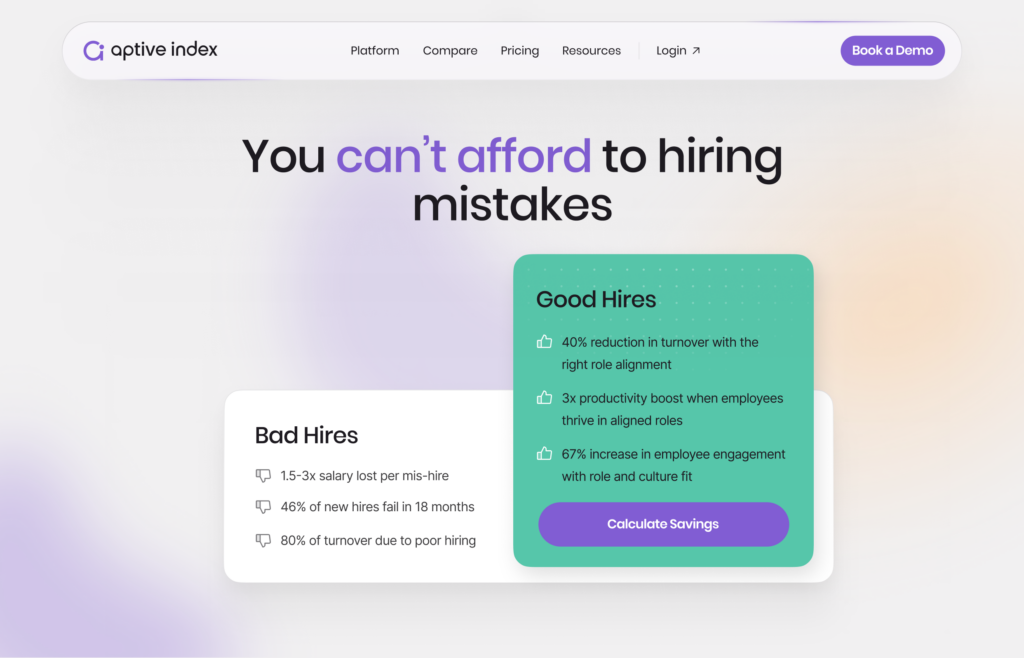
Beat 9: Rock Bottom
Surface the root objection. Address it head-on.
Every category has one objection underneath everything else. The real reason people hesitate even when they’re otherwise sold. This beat finds it and meets it directly. Avoiding it doesn’t make it go away. Naming it earns trust.
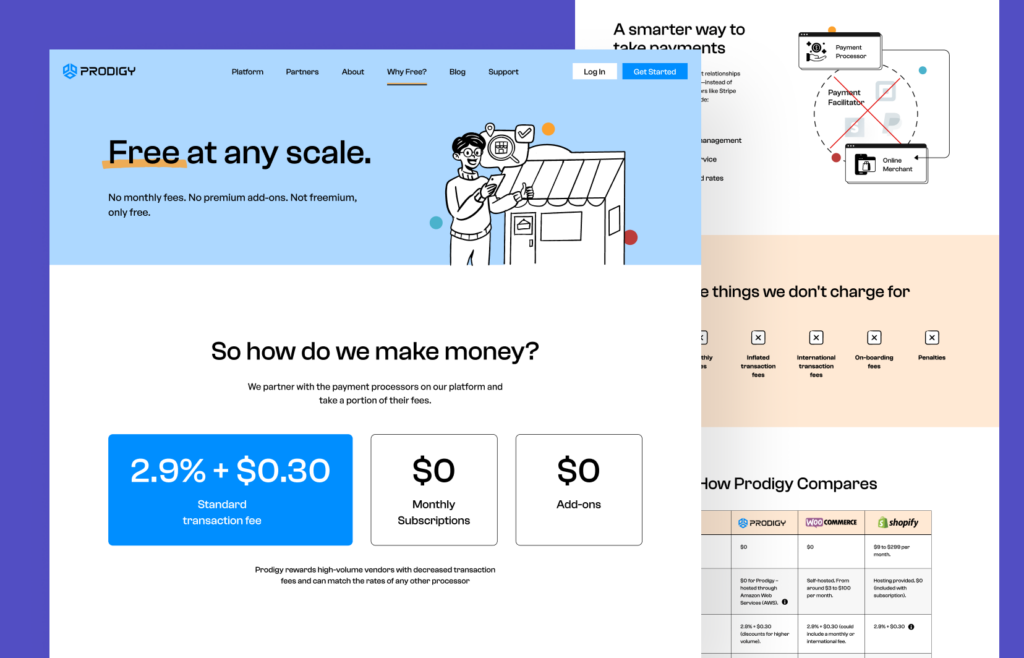
Beat 10: See the Light
The turn. The case is made.
The argument is complete. The path is clear. The visitor’s internal dialogue shifts from “should I?” to “how do I?” This beat doesn’t add new information, it lands the logic.
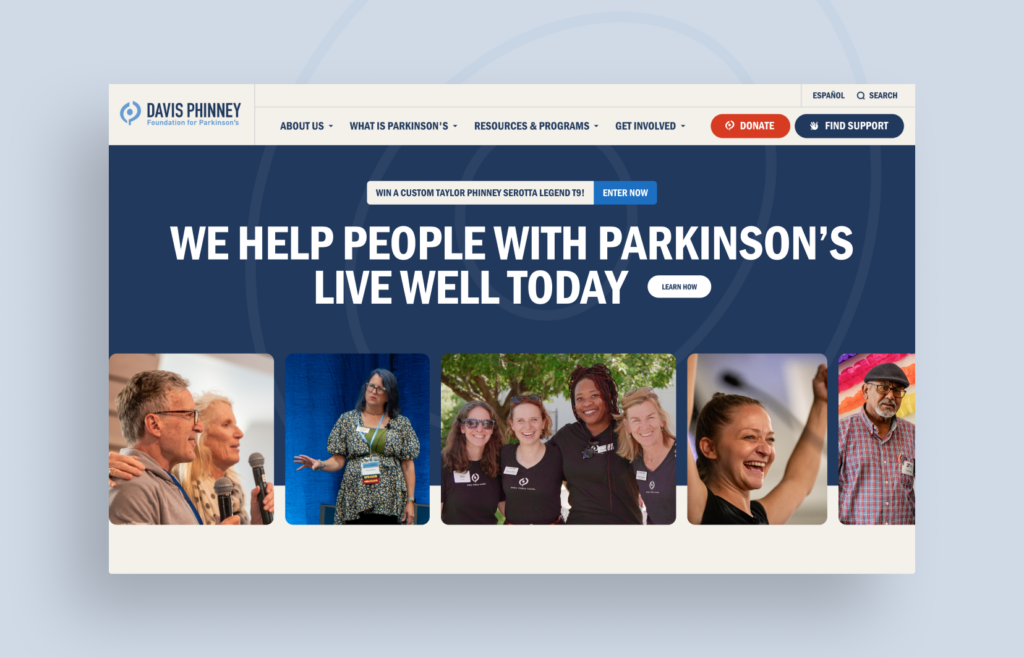
Beat 11: Final Push
Echo the opening. Bring it full circle.
Good stories end where they began, with everything changed. The final push calls back to the opening beat: the theme you set at the top, now earned. Not a summary. A resonance.
Beat 12: Strong Finish
Final CTA. Clean, direct, earned.
By now the case has been made. The CTA should feel like a logical conclusion, not a sales moment. One ask. Clean. Direct.
Why this works when standard copywriting doesn’t
Humans process narrative differently than they process information. A story creates cause and effect, tension and release, setup and payoff. When those mechanics are present, visitors don’t just read your website, they follow it. And sites that get followed get converted.
The deeper problem most copy projects face isn’t bad writing. It’s the absence of a map. Writers produce page-by-page without a structure connecting everything. The result is a collection of decent sections that don’t add up to a journey.
Storyframe solves the architecture problem before the writing problem. The map exists before a sentence is written. That means the writing is faster, revisions are fewer, and the output is a site that moves people forward, not just a site that describes what you do.
When you build on story mechanics, your homepage earns your interior pages. Your interior pages earn your conversion point. Nothing is doing double duty. Nothing is wasted.
What this looks like in practice
Storyframe isn’t something we hand off. We work through it with you, because you know your audience better than we do. The framework gives shape to what you already know.
From there, we write. Across 850+ projects and 22+ years in business, we’ve seen what happens when the prerequisites are solid and the narrative is tight: a website that earns attention, builds trust, and converts without pressure.
If your site is a list right now, you’re leaving a lot on the table. Not because the writing is bad, but because the architecture was never designed to take anyone anywhere.
That’s what Storyframe is for.

Discover the key insights on how AI-driven search is reshaping digital visibility.