Sustainable Web Design: Building Eco-Friendly, Efficient Websites


Discover the key insights on how AI-driven search is reshaping digital visibility.
Most of us never stop to wonder what powers the internet. It just… works. Instantly, invisibly, quietly. No fumes, no wires. No obvious signs of impact.
Sure. There’s no exhaust pipe on your phone and no engine noise when you open a new tab on your laptop. But that doesn’t mean they’re clean.
The truth is behind every website visit, file download, and server request lies a hidden cost: energy consumption. The digital world is far from invisible when it comes to its impact on our planet. Right now, the internet accounts for about 3.7% of global greenhouse gas emissions, a number rising every year as our digital footprint expands.
Data centers that power the web use vast amounts of electricity, often from non-renewable sources. To put things in perspective, if the internet were a country, it would rank as the 4th largest CO₂ emitter and 3rd biggest electricity consumer in the world.
That’s a massive footprint.
But one we all have the power to change.
At GLIDE, we believe in building a web that works for people and the planet. That means thoughtful decision-making and keeping efficiency, performance, and longevity top of mind. Because a greener internet is a better internet for everyone.
What is sustainable web design?
Sustainable web design isn’t just about using less energy, it’s about rethinking how we build and experience the web. It’s about creating websites that are:
- Lighter → Reducing unnecessary resource consumption.
- Smarter → Using energy-efficient hosting and streamlined code.
- Faster → Optimizing performance for lightning-quick load times.
- Built to last → Designing for longevity, avoiding wasteful redesigns, and prioritizing scalability.
When we design and build with intention, we create digital experiences that aren’t just better for the environment, they’re better for users, businesses, and the future of the web.

How to reduce your website’s environmental impact
Every pixel, every animation, and every oversized image adds to the energy demand of your website. Sites bloated with unoptimized code, heavy media, and excessive scripts require more power, which leads to higher carbon emissions.
You can help reduce digital waste by:
- Image & media optimization → Compress files and use next-gen formats to reduce data transfer.
- Code cleanups → Strip out unnecessary scripts and code bloat to make sites run leaner and faster.
- Smarter loading strategies → Use caching, CDNs, and lazy loading to speed up performance and cut back on wasted energy.
- Healthy maintenance education → Empower teams to manage their websites sustainably through best practices.
These optimizations not only cut energy use but also improve site performance, leading to better engagement and higher search rankings.
Choose an energy-efficient hosting provider
One of the biggest ways to lower a website’s environmental footprint is by selecting a green hosting provider. Traditional data centers run on fossil fuels, while sustainable hosting solutions use renewable energy sources like wind and solar power. This single switch can dramatically reduce emissions without sacrificing performance or reliability.

Optimize website performance
A slow-loading website isn’t just frustrating, it’s wasteful. The longer a page takes to load, the more energy it consumes. Website speed plays a huge role not just in user experience, but also in sustainability.
In other words: faster websites = smaller footprint + better user experience.
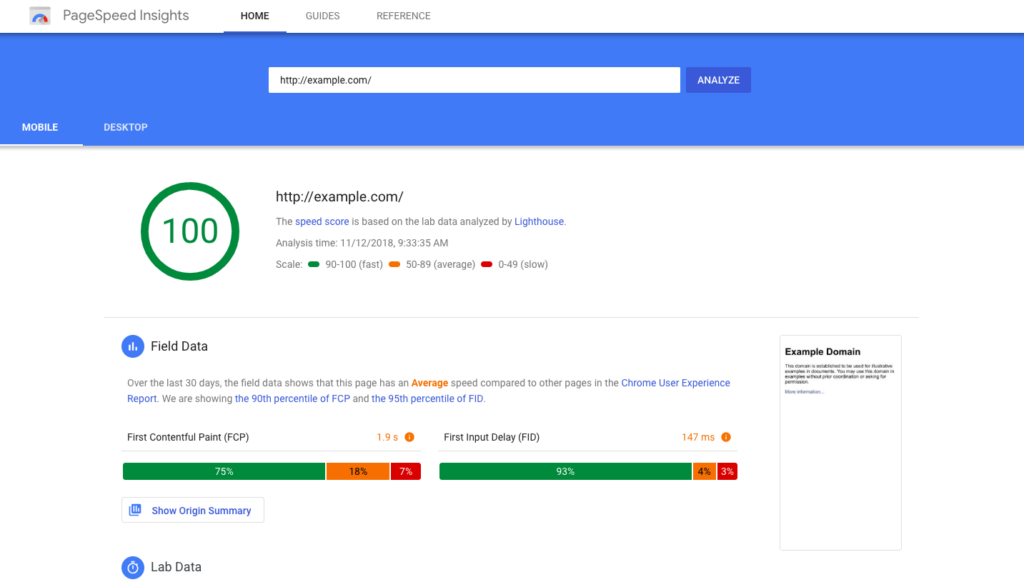
You can help optimize website performance by:
- Smarter image management → Use next-gen formats, scale images properly, and convert GIFs to efficient video formats.
- Lazy loading → Ensure content loads only when needed, reducing initial energy use.
- Efficient code → Streamline codebases to minimize processing power.
- Optimized fonts → Eliminate unnecessary font weights and reduce HTTP requests.
A leaner, faster website means less energy use and a better experience for your visitors, which drives conversion and revenue for you. It’s a win-win for everyone!
Leverage the power of minimalist design
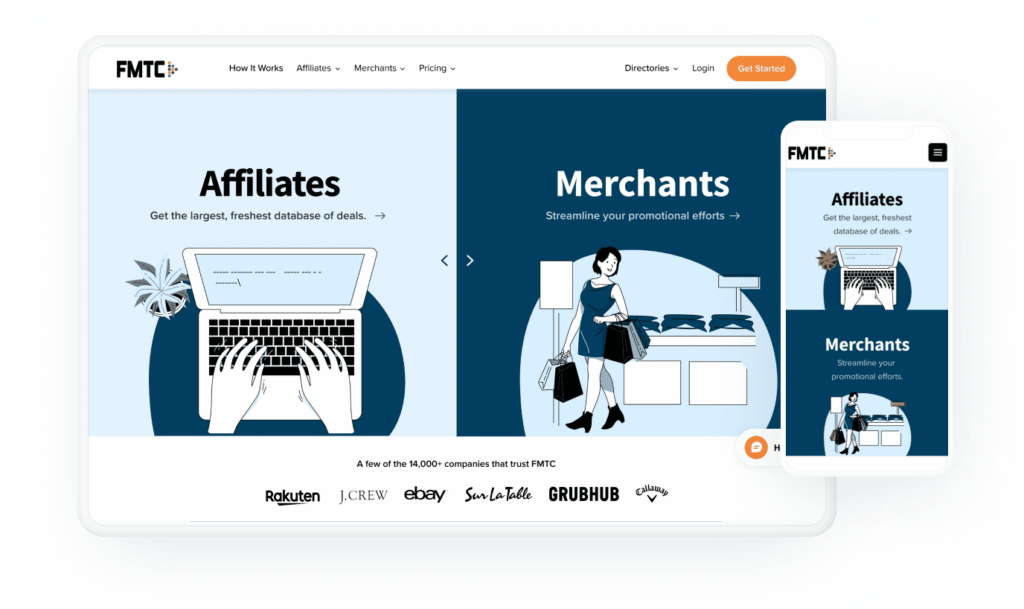
Simplicity isn’t just beautiful—it’s sustainable.
A cluttered website with excessive animations, widgets, and oversized image files is harder to navigate, slower to load, and heavier on resource consumption. By embracing minimalist design, you get:
- Clean, distraction-free interfaces that improve usability
- Fast-loading pages with intuitive navigation
- Intuitive user experiences that reduce unnecessary interactions
A well-structured, minimalist site isn’t just more sustainable – it’s also easier for users to navigate and engage with.

Consider long-term sustainability & scalability
A truly sustainable website isn’t just built for today – it’s designed to thrive for years to come. Frequent redesigns and poor maintenance lead to wasted resources, unnecessary costs, and digital clutter.
You can focus on long-term sustainability by using:
- Modular, flexible designs that adapt to future needs
- Scalable architectures that support business growth
- Maintainable codebases that reduce development waste
- Educating content editors on long-term best practices (image optimization, media management, and plugin updates)
By designing with the future in mind, you’re more likely to create a website that is effective and efficient for years to come.
Why sustainable web design matters for your business
A greener website isn’t just an ethical choice, it’s a strategic advantage.
- Faster load times → Leads to happier users and lower bounce rates.
- Optimized performance → Leads to higher search rankings and more traffic.
- Lower bandwidth & hosting costs → Saves businesses money.
- Eco-conscious brand association→ Builds trust and resonates with modern consumers.
At GLIDE, we believe sustainability and performance go hand in hand. By designing for efficiency, scalability, and environmental responsibility, we help businesses thrive online while making a positive impact.
Want to make your website faster, more sustainable, and better for your users? Let’s make it happen! Get in touch with our team today.
Discover the key insights on how AI-driven search is reshaping digital visibility.
Discover the key insights on how AI-driven search is reshaping digital visibility.